



한국의 갯벌
-
 Seocheon Getbol
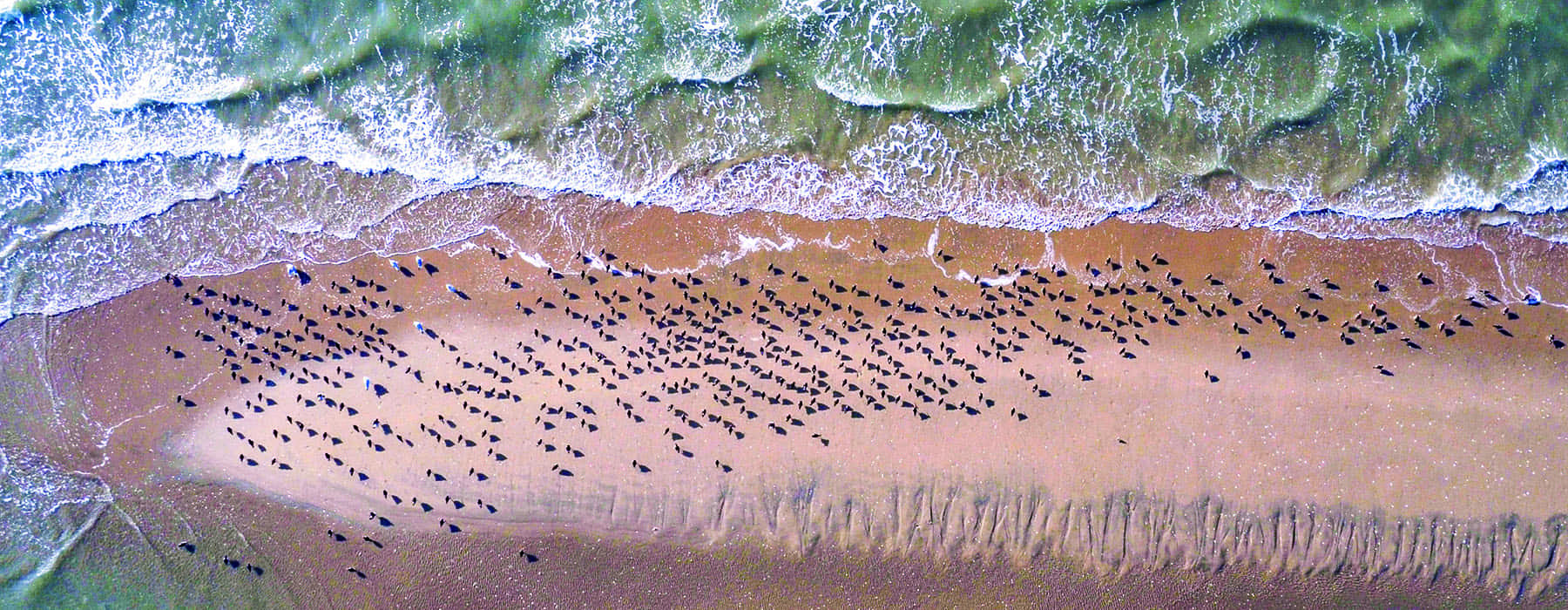
Seocheon mudflats are a very important international region that supports 113 waterfowl species and 23 IUCN redlists. In particular, if you go to Yubu Island, a paradise for migratory birds, you can see the Pyokburi, a high-ranking endangered species with only 400 to 600 remaining in the world, and the black-headed hermitage, a shrine to about 10,000 black-haired birds. In addition, you can easily observe many endangered migratory birds at the artificial resting place (Soli) created through international cooperation.
-
 Gochang Getbol
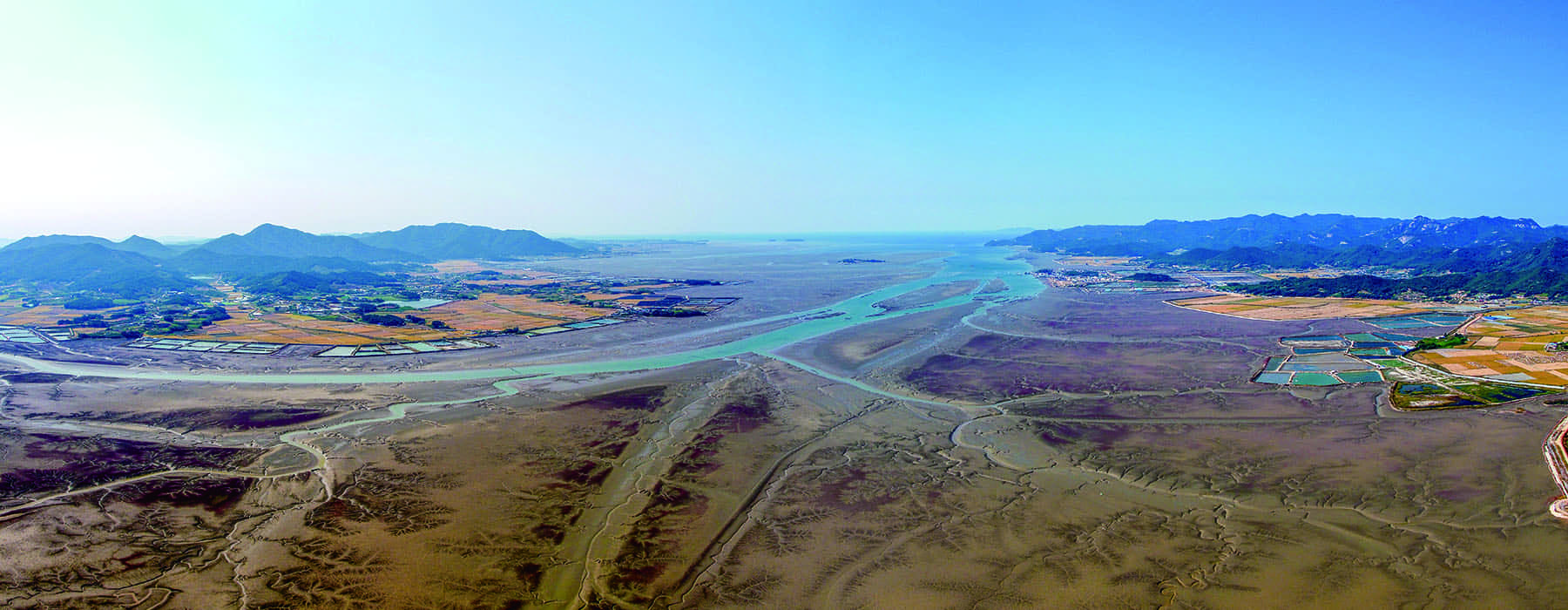
Nestled in an open bay open to the sea, Gochang mudflats have the uniqueness of changing the distribution of mudflats in summer and winter. There is the largest shenanier in Korea called a moving sand island, and you can meet 21 species of migratory birds that are endangered to the IUCN, including tiger-patterned crabs and storks, which are endemic to the Yellow Sea with only one genus in the world. In particular, there are various heritage education and experience programs with local residents.
-
 Shinan Getbol
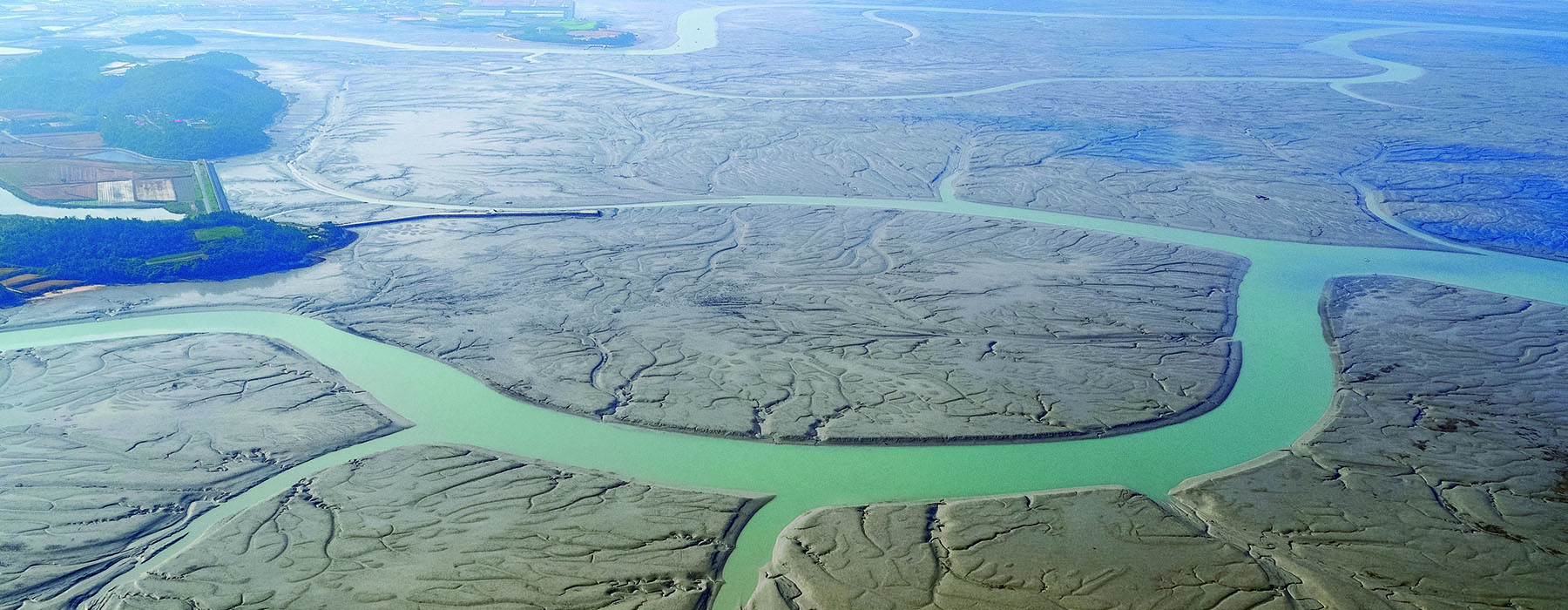
The Sinan tidal flat, which boasts the largest area (about 86% of the total heritage), offers a spectacular view of 850 islands surrounded by mudflats. Many uninhabited islands are home to 95 species of waterbirds, including 17 IUCN redlists, as they serve as a good habitat for migratory birds.
In particular, the Sinan tidal flat, which includes all kinds of tidal flat habitats distributed around the world, shows the world's highest level of biodiversity (568 species of large low-lying creatures and 144 species of seaweeds). It is easy to observe bluespotted mud hopper and various types of crabs struggling with the territory anywhere, and abundant seafood such as octopus gives visitors a lot of pleasure. -
 Boseong-Suncheon Getbol
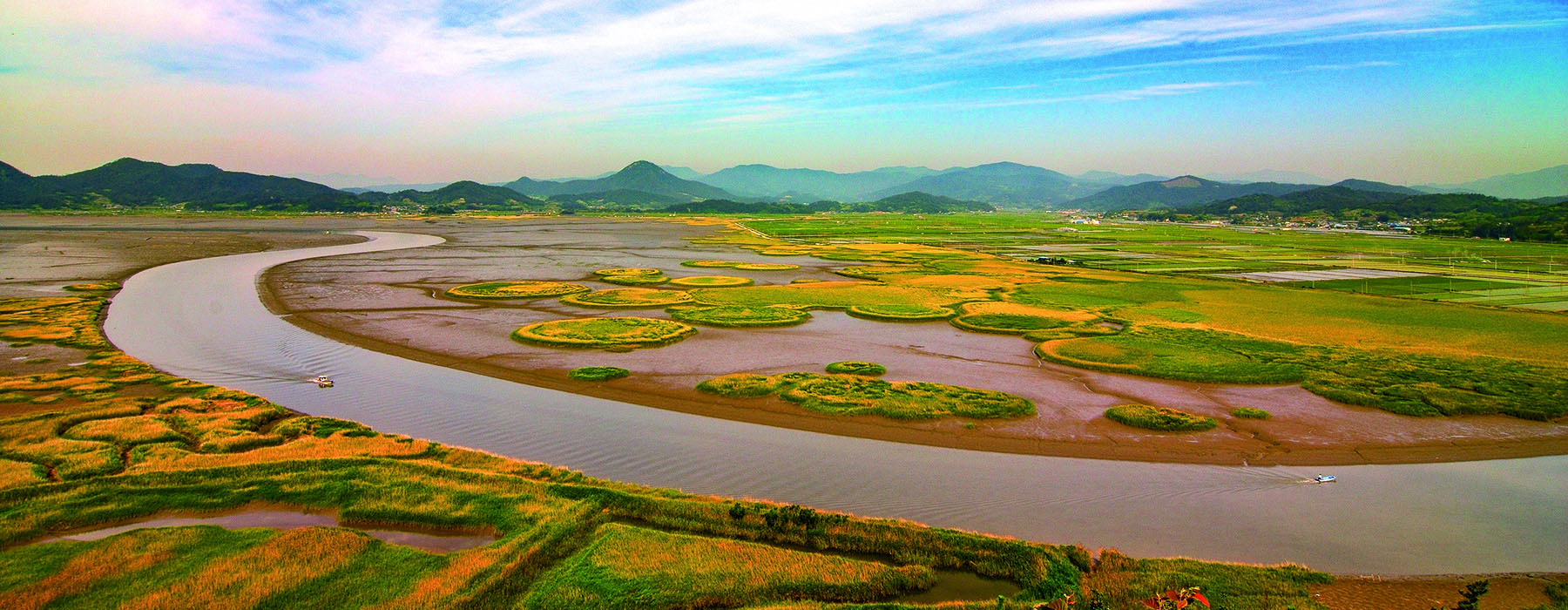
In Boseong-Suncheon Tidal Wave, where a wide salt marsh is developed, you can see watercolors drawn by a colony of salt plants that boast various colors by containing bases every fall. In this place, where most of the pearl mudflats consist of the smallest grains fall to the knee depth, you can experience the traditional fishing method designated as a national intangible heritage and a national important fishing heritage. Boseong-Suncheon Tidal Wave is the largest wintering site in Korea for winter jinjin black cranes, and the spectacular scenery of the group of migratory birds seen through the reed colony at sunset is enough to leave another life shot.